Eastham Rake residents garden maintenance guide
If you live in Eastham Rake, you already know the garden can be a proper asset. A neat lawn, trimmed hedges, and clear borders make a home feel looked after before anyone has even stepped through the front gate. This Eastham Rake residents garden maintenance guide is here to help you keep that outdoor space under control without making it feel like a second job. Whether your garden is a compact front plot, a family back garden, or a shared outdoor area that always seems to need attention, the right routine makes all the difference.
Truth be told, most gardens do not fail because of one big problem. They drift. A few missed cuts here, some weeds there, one windy week, and suddenly it looks like the garden has developed a personality of its own. This guide walks through what maintenance actually includes, how to stay on top of it, when to bring in help, and how to avoid the common mistakes that cost time and money later on.
It also points you towards useful service pages if you want help with specific tasks, from ongoing garden maintenance to lawn mowing, hedge trimming, and garden clearance. Let's get into it.
Contents
- Why Eastham Rake residents garden maintenance guide Matters
- How Eastham Rake residents garden maintenance guide Works
- Key Benefits and Practical Advantages
- Who This Is For and When It Makes Sense
- Step-by-Step Guidance
- Expert Tips for Better Results
- Common Mistakes to Avoid
- Tools, Resources and Recommendations
- Law, Compliance, Standards, or Best Practice
- Options, Methods, or Comparison Table
- Case Study or Real-World Example
- Practical Checklist
- Conclusion
- Frequently Asked Questions
Why Eastham Rake residents garden maintenance guide Matters
Garden maintenance is not just about appearances. In Eastham Rake, as in many residential areas, an outdoor space that is left alone for too long can become harder to manage very quickly. Weeds establish themselves in paving joints, lawns thin out, hedges become awkward to cut back neatly, and waste starts to build up in corners you barely notice at first. Then one weekend disappears into catch-up work. Not ideal.
A sensible maintenance routine helps you stay ahead of the chaos. More importantly, it protects the things you have already paid for: turf, planting, decking, fences, paths, and whatever else makes the garden feel usable. A tidy garden is usually easier and cheaper to maintain than one that has been neglected for months. That is the quiet truth of it.
There is also a wellbeing angle. A garden that looks cared for invites you outside. You notice the smell of cut grass after a fresh mow, the sound of leaves moving in a breeze, or a sunny patch of patio that suddenly becomes the best place for tea at 4pm. Small things, but they matter. Good maintenance keeps those moments available.
For many residents, it also supports neighbourly standards. An overgrown front boundary, a hedge that spills across a path, or fallen debris after a storm can become a nuisance quickly. Even if you are not aiming for perfection, a baseline level of care keeps things calmer all round.
How Eastham Rake residents garden maintenance guide Works
At its simplest, garden maintenance is a repeatable set of tasks carried out at the right time, in the right order, and at a frequency that matches the garden's growth rate. That sounds obvious, but it is where many gardens go off course. People try to do everything in one exhausting burst, then leave it for weeks. The better approach is steadier and more boring, frankly, but much more effective.
A practical maintenance system usually includes:
- regular lawn care and edging
- hedge and shrub trimming
- weed control in borders, paths, and driveways
- deadheading and light plant care
- leaf clearance and general tidying
- pruning of selected plants at the right season
- checking for damage, disease, or overgrowth
- occasional larger jobs such as clearance or reshaping
The exact balance depends on your garden. A new build garden with a small lawn and a couple of beds needs a different rhythm from a mature plot with trees, mixed planting, and more shade. In some homes, the best approach is a monthly tidy and seasonal heavier work. In others, especially where growth is fast, weekly care makes more sense.
If you want a broader service structure, it helps to look at the full range of garden services overview so you can match the task to the right type of help. That tends to save confusion later.
Key Benefits and Practical Advantages
The benefits of regular garden maintenance are practical before they are cosmetic. Yes, a tidy border looks good. But the bigger advantages sit underneath that visible improvement.
- Less catch-up work: Small tasks done often are easier than one massive rescue mission.
- Healthier plants: Pruning, feeding, watering, and deadheading at the right time supports better growth.
- Safer access: Clear paths, tidy edges, and controlled hedges reduce trip hazards and awkward overhangs.
- Better use of space: A maintained garden is easier to sit in, play in, or simply enjoy.
- Improved kerb appeal: Front gardens in particular can lift the overall look of a property.
- Reduced waste: Catching green waste early prevents a pile-up that becomes a clearance job.
There is also a financial angle. Ongoing maintenance can protect hard landscaping and soft landscaping alike. For example, if water is not draining properly because of blocked areas or leaf build-up, you may end up with staining, moss, or surface wear. If hedges are left unchecked, they can become woody and harder to shape later. If lawns are neglected, re-turfing or major renovation may eventually be needed. Nobody wants that surprise.
One of the less obvious benefits is rhythm. Once your garden has a maintenance routine, the whole property feels more settled. It sounds simple, but people notice it immediately when the garden stops swinging between overgrown and overdone.
Who This Is For and When It Makes Sense
This guide is useful if you are a homeowner, landlord, tenant, or someone looking after a property for family members. It also makes sense for residents who simply do not have the time, equipment, or inclination to stay on top of garden chores every week. And that is completely fair. Not everyone wants to spend Saturday morning wrestling a hedge trimmer while the bin bags lean dangerously against the fence.
You may need more structured maintenance if:
- the garden grows quickly in spring and summer
- you have mature shrubs or hedges that need shaping
- there are areas of heavy leaf fall in autumn
- the lawn becomes patchy or uneven without regular care
- you are preparing a property for sale or rental
- the garden has become cluttered after a period of neglect
It is also worth thinking about scale. A small outdoor space often benefits from precise, frequent touch-ups. A larger garden may need a scheduled approach with different tasks each visit. If the area includes decking, borders, lawn, and possibly tree work, you may need a more mixed plan. In that case, a combination of decking services, landscaping, or even tree lopping and removal can make sense where maintenance alone is no longer enough.
Step-by-Step Guidance
If you want to keep things manageable, use a simple sequence. It sounds almost too neat, but it works.
1. Start with a clear walk-through
Walk the garden slowly and look for what needs attention first. Overgrown edges, dead plants, weeds in paving, slippery surfaces, blocked drains, broken pots, and debris tend to stand out once you actually look. A quick glance from the back door is not enough. You need the full picture.
2. Separate urgent tasks from routine ones
Urgent jobs include safety issues, trip hazards, broken branches, and any blocked access. Routine jobs are lawn cuts, pruning, and weeding. Deal with the urgent things first. The rest can follow in a sensible order.
3. Tackle waste before detail work
Before trimming or mowing, clear away sticks, toys, pots, and loose waste. It makes the actual maintenance safer and cleaner. A mower wheel catching on a hidden branch is one of those annoyances that can ruin the mood fast.
4. Cut and tidy in the right sequence
In most gardens, it makes sense to trim hedges and shrubs before finishing the lawn edges, because clipping falls will land on the ground. Then mow, edge, and collect the waste. If the area is very overgrown, a fuller garden clearance may be the better first move.
5. Check the plant health while you work
Look for yellowing leaves, bare patches, pests, dieback, or signs that a plant is getting too much shade or not enough space. Maintenance is not just cutting things down. It is also noticing when something needs attention before it gets worse.
6. Finish with a reset
Gather waste, sweep hard surfaces, return tools, and water anything that has been disturbed. A garden always looks better after the final five percent of tidy-up work. That last sweep matters more than people think.
If you want a more regular support pattern, the garden maintenance service page is a sensible place to explore what a recurring visit can cover.
Expert Tips for Better Results
Experience tends to show up in the small decisions. Here are the details that often separate a decent job from a frustrating one.
- Do not cut too much at once. Many shrubs and hedges respond better to gradual shaping than to hard, sudden cuts. Unless a plant clearly needs renovation pruning, patience usually wins.
- Let the season lead. Growth is faster in warmer months, so the work pattern should adapt. In autumn, leaves and drainage become the priority. In winter, damage checks matter more.
- Keep blades and tools sharp. A clean cut is better for the plant and easier for you. Blunt tools tear rather than trim. Not glamorous, but true.
- Mulch where it helps. In borders, mulch can reduce weeds and hold moisture, which saves work later. It is one of those jobs that pays back quietly.
- Use the weather wisely. Dry days are best for mowing and most trimming work. Damp conditions can make paths slippery and lawns uneven to cut.
There is also a common-sense tip that gets ignored: keep a little space in the schedule. Gardens rarely behave according to plan. A windy week can scatter leaves, a burst of rain can speed up growth, and suddenly the weekend list looks a bit different. That is normal, honestly.
If you are weighing up where to spend your energy, start with the areas that change the feel of the garden most: lawn, hedges, and entrance points. Those give the biggest visible return for the time invested.
Common Mistakes to Avoid
A lot of garden maintenance problems come from understandable mistakes rather than neglect. Here are the ones that show up again and again.
- Letting it run too long: If the garden is left until everything feels overwhelming, small jobs become bigger ones.
- Using the wrong tool for the job: A hedge trimmer is not a substitute for proper pruning, and a lawn mower is not for rough clearing.
- Cutting at the wrong time: Some plants are more sensitive than others. Bad timing can reduce flowering or leave plants stressed.
- Forgetting access and disposal: A tidy cut is only half the job if waste is left in piles.
- Ignoring hidden hazards: Broken glass, unstable paving, diseased branches, and hidden holes are easy to miss until you are already in the middle of work.
- Over-pruning for the sake of neatness: Neat is good. Stripping a plant bare is not.
A classic example is the hedge that gets shaved down repeatedly because it looks tidy for a week, then turns thin and patchy. It may be better to trim less aggressively and more consistently. Same with lawns. A hard scalp after a long gap is usually a poor trade.
And yes, sometimes the biggest mistake is simply trying to do everything in one afternoon. The garden notices. Your back notices too.
Tools, Resources and Recommendations
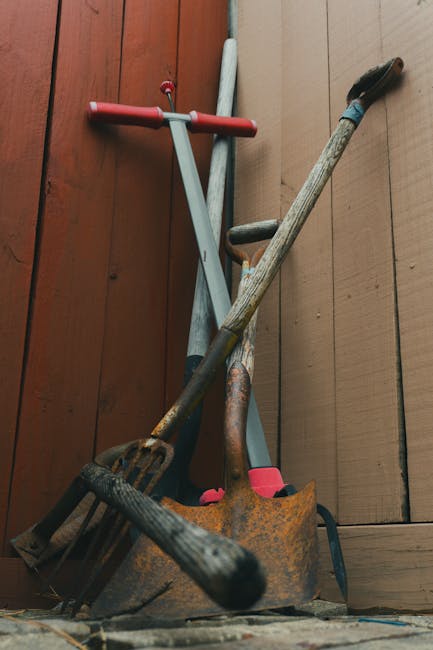
You do not need a shed full of expensive equipment, but having the right basics makes maintenance much easier.
| Task | Useful tools | What to look for |
|---|---|---|
| Lawn care | Law mower, edging tool, rake | Clean cut, adjustable height, easy grass collection |
| Hedge trimming | Hedge trimmer, loppers, gloves | Comfortable grip, sharp blades, safe reach |
| Weeding and borders | Hand fork, hoe, kneeler, buckets | Simple tools that let you work precisely |
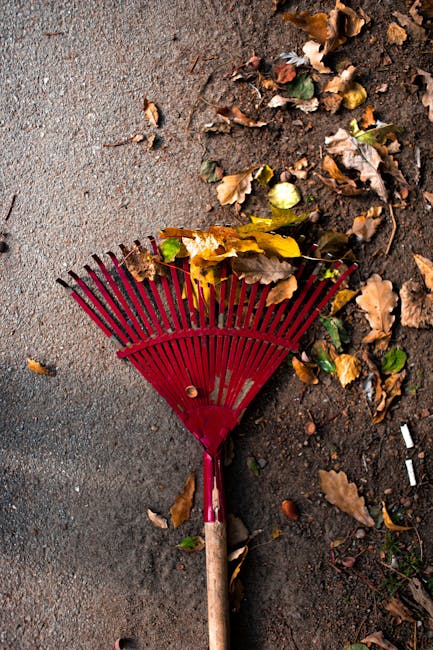
| Leaf and waste clearance | Rake, garden bags, tarp | Good capacity and easy lifting |
| Pruning | Secateurs, pruning saw, protective gloves | Suitable for stem thickness and clean cuts |
There are also some practical service pages that can help if you need specialist work or you want to hand over the heavier jobs. For instance, lawn mowing is ideal for keeping grass on a proper cycle, while hedge trimming is useful when shape and boundary control matter. If larger areas have become cluttered, garden clearance can reset the space quickly.
If you are concerned about costs, the pricing and quotes page is the right place to understand how enquiries are handled. And if sustainability matters to you, it is worth checking the approach to recycling and sustainability, especially if your garden work produces a fair amount of green waste.
Law, Compliance, Standards, or Best Practice
Garden maintenance is usually straightforward, but a few UK best-practice points are worth keeping in mind. If your garden includes trees, large hedges, shared boundaries, or nearby footpaths, be careful about overhanging growth and falling debris. In many cases, the sensible move is to avoid work that could create risk if you are not confident handling it safely.
For example, cutting high branches, working near unstable structures, or handling heavy waste bags can become a safety issue very quickly. Good practice is to use stable footing, suitable protective gear, and the right tools for the task. If a job feels awkward or physically risky, it probably is awkward or risky. That is not drama; it is just how it goes.
Professional providers should also operate with clear safety processes and proper insurance. If you are comparing options, it is sensible to review insurance and safety information and understand what standards the business works to. You may also want to check the health and safety policy for reassurance about working practices.
For privacy, payment, and service terms, it is good practice to read the relevant pages before booking. That is not being fussy. It is just smart.
Options, Methods, or Comparison Table
Most residents choose one of three broad approaches: do everything themselves, book occasional help, or arrange a regular maintenance schedule. Each has a place.
| Approach | Best for | Pros | Trade-offs |
|---|---|---|---|
| DIY maintenance | Smaller gardens and hands-on owners | Low direct cost, flexible timing, full control | Time-consuming, equipment needed, can pile up quickly |
| Occasional professional help | Busy households or seasonal catch-up | Good for resets, targeted jobs, less stress | Less consistent unless you stay organised |
| Regular scheduled service | Gardens that grow fast or need consistent presentation | Predictable upkeep, less disruption, better continuity | Ongoing cost, needs clear scope and communication |
If you are not sure which to choose, ask yourself one simple question: do you want a garden that is occasionally recovered, or one that is consistently maintained? That answer tends to point you in the right direction. For many Eastham Rake residents, a blended approach works best - some light DIY, then professional support for mowing, trimming, or occasional clearance.
Case Study or Real-World Example
Here is a realistic example from a typical suburban garden. A homeowner has a front lawn, a back border with shrubs, and a narrow side path that collects leaves. Nothing dramatic. But after a few wet weeks, the lawn starts looking flat and the side path becomes slippery. The hedge near the boundary has also crept out a little, enough to make the garden feel tighter than it should.
Instead of trying to solve everything in one go, the maintenance plan is split into stages. First, all debris and leaves are removed. Then the hedge is trimmed back to restore the boundary line. The lawn is cut at a sensible height rather than scalped, and the edges are tidied. Finally, the border is checked for weeds and dead stems. The result is not just a tidier garden. It is a garden that feels easier to live with.
That is the real point. Maintenance is not about chasing perfection. It is about getting the outdoor space back to a state where it works for daily life. A cup of tea outside, a child's football, a washing line, a chat with the neighbour over the fence - ordinary things, but they depend on an outdoor space that is usable.
In cases like this, a visit from a reliable local team can save several hours and a fair bit of frustration. Especially if the work has built up over time.
Practical Checklist
Use this checklist to keep your garden maintenance on track through the year.
- Walk the garden and spot urgent issues before starting work
- Remove waste, fallen branches, and loose clutter
- Mow the lawn at the right height for the season
- Trim hedges and shrubs without overcutting
- Clear weeds from paths, borders, and edges
- Sweep patios, decking, and paved areas
- Check for drainage blockages or standing water
- Inspect trees and larger plants for damage or dieback
- Dispose of green waste responsibly
- Book heavier work separately if the job is bigger than routine upkeep
Expert summary: The best Eastham Rake garden maintenance plans are simple, seasonal, and repeatable. Start with safety, keep the lawn and hedges under control, and do not let waste build up. Once the rhythm is right, the whole garden becomes easier - and a lot less stressful.
Conclusion
A well-kept garden does not happen by accident. It is usually the result of small, consistent actions, a bit of seasonal awareness, and knowing when a task is too big or too awkward to leave for later. This Eastham Rake residents garden maintenance guide has covered the basics, the practical details, and the common mistakes that tend to trip people up.
If your garden needs a reset, start with clearance and then build a maintenance routine that fits your space and your schedule. If you prefer support, choose the right service for the job rather than forcing everything into one visit. That tends to work better, and it feels better too.
Get a free quote today and see how much you can save.
Frequently Asked Questions
How often should Eastham Rake residents do garden maintenance?
It depends on the size of the garden and how fast it grows, but most gardens benefit from light attention every week or two during active growing periods. In quieter months, monthly checks may be enough. The important thing is not to leave it until the whole space becomes a project.
What is included in a typical garden maintenance visit?
A typical visit may include lawn mowing, hedge trimming, weeding, border tidying, pruning, leaf clearance, and general waste removal. The exact scope varies, so it is best to agree on what is included before work starts.
Is garden clearance the same as garden maintenance?
No. Garden maintenance is ongoing upkeep, while garden clearance is usually a bigger reset job for neglected, overgrown, or cluttered spaces. Clearance often comes first, then maintenance follows after the garden is back under control.
Can I maintain a small garden myself?
Yes, many small gardens are perfectly manageable with basic tools and a steady routine. The key is consistency. A small garden that is ignored for a month can still become a chore, so do not let it slide.
What should I do with hedge clippings and green waste?
Collect them as you go and dispose of them responsibly. Many people are surprised how much waste a single trim creates. Keeping on top of it makes the whole job feel cleaner and reduces mess across the rest of the garden.
When is the best time to mow the lawn?
Dry conditions are usually best, with grass not too wet and not scorched by heat. The ideal mowing height can vary with the season, but avoiding very short cuts is usually the safer option for most lawns.
Do I need professional help for overgrown hedges?
If the hedge is tall, awkward, or near boundaries, it is often worth getting help. Safety and finish both matter. A hedge can look simple from the ground and still be far more demanding once you are in the middle of it.
How do I know if my garden needs more than routine maintenance?
If there are persistent weeds, compacted soil, damaged plants, poor drainage, or areas that have become heavily overgrown, the garden may need a one-off improvement or clearance. Routine maintenance alone may not be enough at that point.
Are landscaping and maintenance the same thing?
No. Maintenance keeps the existing garden in good condition, while landscaping usually involves changing the layout, structure, or features of the space. If you are planning a bigger redesign, landscaping is the broader service.
What are the most common mistakes residents make with garden upkeep?
The biggest mistakes are leaving jobs too long, cutting too hard, using the wrong tools, and ignoring waste disposal. A smaller mistake? Trying to do everything in a rush on one tired afternoon. That rarely ends well.
How do I choose between occasional help and a regular service?
If your garden only needs the odd reset, occasional help may be enough. If it grows quickly, needs consistent presentation, or you simply do not have time to stay on top of it, a regular service is often the calmer option.
Where can I learn more about the company and its policies?
You can read more about the business on the about us page, and review helpful information such as payment and security, privacy policy, and terms and conditions if you want the practical details before booking.