Garden Maintenance in East Ham
Garden Maintenance East Ham provides routine outdoor care for homes and managed properties that need lawns tidied, hedges kept in shape, borders kept clear and growing areas looked after with consistent attention. Our garden maintenance service focuses on the practical tasks that help a garden stay neat and usable through the year, with work planned around the space, the season and the condition of the planting. If you want dependable upkeep rather than a one-off tidy, we can help you keep on top of the day-to-day jobs that quickly build up.
Our approach is straightforward: we work through the visible detail first, then keep the rest of the space manageable. That can include mowing, edging, trimming, light weeding, clearing cuttings, and reducing overgrowth where it is crowding paths or planting beds. For larger or more varied gardens, maintenance often needs a sequence rather than a single task, so our service can be arranged as a regular visit or as a targeted visit for specific jobs. The result is a garden that feels maintained, not neglected.
Because every outdoor area is different, the work we recommend depends on what is actually growing, what has been missed, and what you want to keep. Some gardens need frequent mowing and edging; others benefit more from hedge care, border clearance or seasonal reduction of heavy growth. If you are comparing options, our main maintenance service is a practical place to start, and you can always ask for a clear quotation once you know the scale of the work.
Routine garden care for everyday upkeep
Regular garden maintenance is often the simplest way to stop a small amount of growth turning into a bigger job later. Mowing keeps grass at a manageable height, but good upkeep usually goes further than cutting the lawn. We also look at trimming loose edges, tidying around beds and taking away clippings so the garden is left ready for normal use. This kind of work suits front gardens, back gardens and shared outside spaces that need steady attention rather than major change.
For many customers, the value of routine care is consistency. When a garden is checked and maintained at sensible intervals, there is less chance of weeds spreading unchecked, hedges becoming unruly or pathways being lost behind planting. It also makes it easier to notice areas that need a separate treatment, such as a patch of compacted grass, a hedge that has outgrown its line, or a border that needs clearing back before replanting. If you need a more focused service, it can be sensible to ask for a quotation based on the current condition and the tasks you want included.
We can build maintenance around a simple list of priorities, so the most important parts of the garden are handled first. That is helpful where access is limited, where certain plants must be preserved, or where only specific areas need attention. If you already know the work you need, it is worth making a short note of the lawn, hedges, borders and any overgrown corners that matter most. For straightforward upkeep, our garden maintenance service page gives a useful overview of the main type of work we handle.
Lawn mowing, edging and grass care
A well-kept lawn usually depends on more than just a quick cut. Grass height, seasonal growth and the condition of the edges all affect the finished look, so mowing works best when it is done with a bit of care. We can include edging along paths, beds and borders to give the lawn a clearer outline, which is especially useful where grass has started to creep into other parts of the garden. Where appropriate, we can also remove clippings rather than leaving them scattered across the surface.
Not every lawn needs the same treatment. Some are best kept short and crisp; others are healthier when the cutting height is managed more carefully so the grass does not become stressed. Uneven patches, damp corners and areas shaded by fences or shrubs may need a gentler approach than open sections in full light. If your grass has become patchy or thin, mowing alone may not resolve it, but it can still be part of a wider maintenance plan that keeps the space presentable while you decide on longer-term improvements.
Grass care can also involve simple practical decisions about timing and finish. Cutting too much at once can leave the lawn looking scalped, while leaving it too long can make the job heavier and less tidy. A sensible maintenance routine reduces both problems. For customers who want a clearer picture of the scope, our lawn mowing page sets out the mowing side of the service and helps you decide whether that alone is enough or whether it should sit alongside broader upkeep.
Hedge trimming and shaping
Hedges need regular trimming to keep them dense, neat and under control. Left for too long, they can spread into paths, block light, obscure sightlines or lose their intended shape. Our hedge trimming work is aimed at keeping green boundaries, decorative hedges and mixed screening plants manageable without cutting back more than necessary. The exact method depends on the hedge type, its height, and whether the aim is a crisp outline or a softer maintained finish.
For some gardens, hedge work is mainly about appearance. For others, it is about practical clearance around entrances, driveways or narrow side passages. It can also involve shortening growth that has started to crowd windows or overhang neighbouring areas. The best outcome usually comes from trimming with the plant’s form in mind rather than forcing every hedge into the same shape. That is why maintenance work tends to be more effective when it is planned around the species, the season and the current condition of the hedge.
If you want the hedge care to be part of a wider garden tidy, it can be grouped with lawn work and border clearance in one visit. That often gives a better overall finish than treating each task in isolation. Clear priorities help here: tell us what must be cut, what should be left alone and which areas need particular care. For a closer look at this service, see our hedge trimming page.
Border tidying and seasonal weeding
Garden borders can quickly look tired when weeds, fallen leaves and unwanted growth build up around established plants. Tidying these areas is an important part of garden maintenance because it helps the intended planting stand out and keeps the space easier to manage over time. Weeding may be light or more involved depending on how long the border has been left, how dense the planting is, and whether the area is mainly decorative or functional.
Seasonal work often matters most in borders because growth changes through the year. In spring and summer, fast-growing weeds can compete with desirable plants for light and space; in autumn, leaves and dying stems may need clearing back so the bed does not become cluttered. In some cases, careful weeding is best combined with light cutting back, staking checks or simple tidying around edging. That keeps the border looking cared for without stripping away healthy structure.
Good maintenance also means understanding what should stay. Some plants self-seed, some spread naturally, and some areas are deliberately left with a softer, more natural finish. We work to the garden’s character rather than forcing every bed into the same style. If you are planning broader upkeep, it is worth looking at our garden clearance page too, especially when the borders have become heavily crowded or need a more decisive tidy-up.
Garden clearance and overgrown areas
When a garden has fallen behind, clearance work is often the first step before regular maintenance can become effective again. This may involve cutting back dense growth, removing dead material, clearing a build-up of clippings and making overgrown spaces accessible. The aim is not to replace maintenance with a single heavy visit, but to create a manageable starting point so the garden can be kept in better condition afterwards.
Clearance work can vary a great deal. A small enclosed garden might need only a neat reduction of shrubs and a general tidy, while a larger plot may require more time spent opening up paths, borders and corners that have become crowded. In some cases, clearance also helps reveal what is worth keeping. Once excess growth is removed, it becomes easier to see healthy plants, usable surfaces and sections that may need extra attention in future visits.
If you are unsure whether your garden needs a light tidy or a more substantial clearance, it is helpful to describe the worst areas first. That makes it easier to judge the scope of the work and prepare a sensible quotation. Our garden clearance service is designed for the situations where growth has gone beyond routine upkeep and the garden needs a stronger reset before regular care can resume.
Landscaping support and practical improvements
Not every garden maintenance project is limited to cutting and tidying. Sometimes a space benefits from modest landscaping support that improves its structure and makes future upkeep easier. That may include redefining edges, improving the layout of planting areas, refreshing tired sections or making small changes that help the garden feel more organised. The emphasis is on practical improvement rather than a complete redesign unless that is what you need.
When maintenance and landscaping are considered together, it is often easier to choose the right balance between preservation and change. A garden may not need a full transformation, but it may still benefit from better separation between lawn, borders and hard surfaces. In other cases, uneven ground, awkward corners or awkward plant placement may be making routine care more difficult than it should be. Addressing those points can make later mowing, trimming and tidying much simpler.
For customers exploring options, it can be useful to think in terms of what should stay and what should change. That helps avoid unnecessary work and keeps the focus on the areas that matter most. If your garden needs both upkeep and practical improvement, our landscape gardening page explains the broader kind of work available when maintenance alone is not quite enough.
About East Ham

East Ham is an area in the London Borough of Newham in east London, known for its strong residential character and its place within the older landscape of the county of Essex before the growth of metropolitan London reshaped the area. The district has long been associated with suburban development, particularly from the late nineteenth and early twentieth centuries, when transport links and housing expansion transformed former village land into denser streets and terraced homes. That historical layering is still visible in the local street pattern, where shorter roads, larger arterial routes and a mix of housing styles sit alongside commercial stretches and civic buildings. The area is closely linked with nearby transport corridors and with the wider movement between the eastern suburbs and central London, which has helped define its day-to-day character over many decades. East Ham’s town centre has long been a focal point for shopping and community activity, while surrounding residential streets give the district much of its everyday identity. Public open spaces also play an important role. Central Park, one of the better-known local green spaces, offers lawns, trees and recreation areas within the urban setting, and Plashet Park provides another significant open area with sports and leisure facilities. These parks sit within a part of London where open ground is valuable, and they help break up the built environment with accessible greenery. East Ham also reflects the cultural diversity of Newham, with a mix of shops, community uses and places of worship contributing to a lively local atmosphere. Its architecture is varied rather than uniform: some streets retain modest older housing, while other parts show later redevelopment and infill. The result is an area that combines historical continuity with the practical, lived-in feel of a busy eastern London district.
What affects the work and the quotation
Garden maintenance quotations are usually shaped by the work involved rather than by a single fixed formula. The size of the garden matters, but so do access, the amount of growth, the type of surfaces present and whether waste needs collecting and removing. A lawn that only needs a quick cut is very different from a garden where hedges, borders and paths all need attention. Clear information at the start helps the quotation reflect the real task and avoids unnecessary assumptions.
Where a garden has several problem areas, it is sensible to identify them separately. For example, a front lawn, a rear hedge line and a neglected side passage may each need different treatment. If there are planting beds you want preserved, mention that too, because careful maintenance depends on knowing what must remain untouched. Sharing the main priorities is usually more useful than sending a long description with no structure. If the space has become difficult to assess, a few clear notes about condition are often enough to begin.
For many enquiries, a simple message with the address area, the tasks required and a brief note on access is enough to get the process moving. If you are ready to compare options, our pricing and quotes page is the best place to start. You can also ask for a quotation in plain language: tell us what you want maintained, what is overgrown, and what should be left as it is.
Keeping maintenance manageable through the year
Different gardens need different levels of attention across the seasons, but the general principle is the same: smaller tasks are easier to manage when they are not left to accumulate. In spring, growth often begins quickly and may need early mowing, light pruning or clearing of old material. Summer maintenance tends to focus on keeping things tidy and preventing strong growth from spreading into paths and borders. Autumn can bring leaf fall and heavier tidying, while winter often highlights structural work, dead material and the shape of hedges or beds.
Some customers prefer a regular pattern of visits, while others arrange maintenance only when the garden starts to look untidy. Both approaches can work, but regular care usually makes the work simpler and the result more even. It can also help preserve the shape of hedges, keep lawn edges sharper and stop weeds becoming firmly established. If you only need support at certain times of year, the service can be adapted accordingly without building in unnecessary tasks.
When planning the work, it is worth thinking about which parts of the garden are most visible, which are most used and which are hardest to reach. That helps create a sensible order of priority and avoids spending time on details that do not matter to you. If you want to move ahead now, request a quotation and describe the areas that need the most attention. The clearer the brief, the easier it is to propose the right maintenance approach.
Choosing the right mix of maintenance tasks
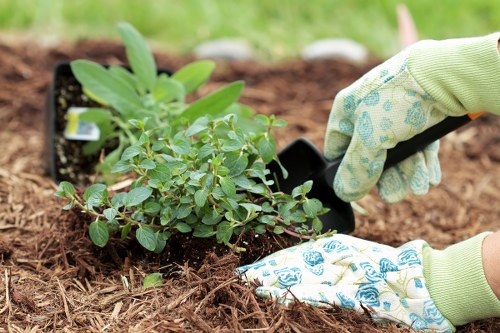
Good garden maintenance is often a combination of smaller jobs rather than a single task. A lawn may need mowing and edging, a hedge may need trimming, and a border may need weeds removed at the same time. Choosing the right mix depends on the condition of the space and the result you want. Some customers want a sharp, tidy finish; others want a more natural look that is still controlled and easy to look after. Both can be achieved with the right balance of work.
In practical terms, it is useful to separate the essentials from the extras. Essentials might include keeping grass under control, clearing a path or trimming growth away from access points. Extras might include border tidying, light shaping or removal of dead material that is affecting the overall appearance. That way the work stays focused, and you avoid paying for tasks that are not needed at the time. When the brief is clear, the maintenance plan becomes more efficient and easier to repeat.
If you would like to discuss your garden in East Ham, start with the main areas that need attention and any parts you want protected. You can keep it simple and still get a useful response. Contact us to request a quotation and outline the maintenance you need.