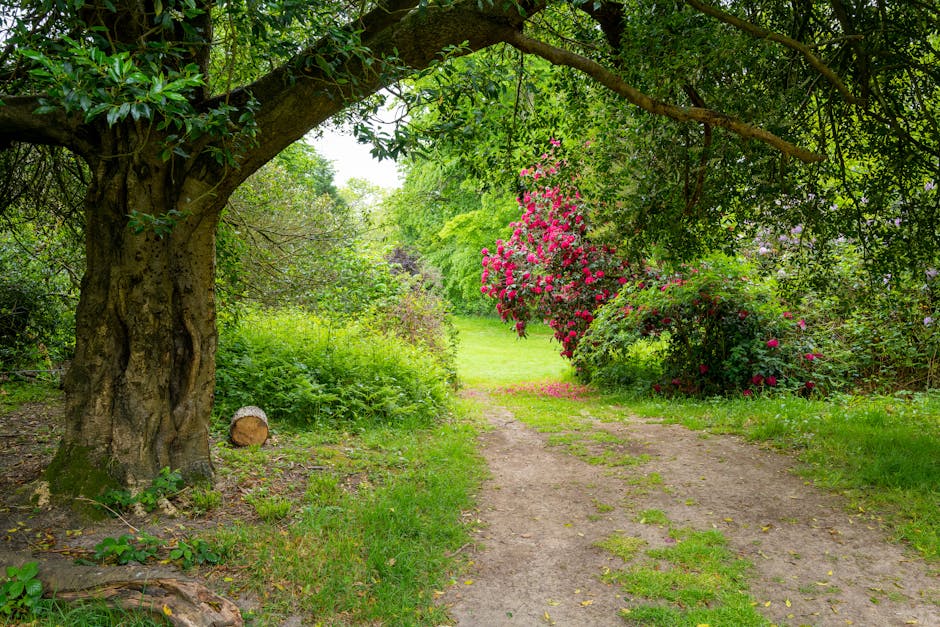
Eastham Country Park garden services for nearby homes
If you live near Eastham Country Park, you already know the value of a garden that feels calm, tidy, and easy to enjoy. But keeping it that way can be another story entirely. Weather, shade, fallen leaves, fast-growing hedges, and the usual weekend time squeeze all stack up. That is where Eastham Country Park garden services for nearby homes can make a genuine difference. Not just for appearances, but for comfort, safety, and the kind of outdoor space you actually want to use on a Tuesday evening, not only when guests are coming round.
This guide breaks down what garden services near Eastham Country Park typically involve, who they suit, how the process works, and what to look for before booking. You will also find practical checklists, common mistakes, and a plain-English comparison of the main options. No fluff. Just useful detail that helps you make a better decision.
Table of Contents
- Why Eastham Country Park garden services for nearby homes Matters
- How Eastham Country Park garden services for nearby homes Works
- Key Benefits and Practical Advantages
- Who This Is For and When It Makes Sense
- Step-by-Step Guidance
- Expert Tips for Better Results
- Common Mistakes to Avoid
- Tools, Resources and Recommendations
- Law, Compliance, Standards, or Best Practice
- Options, Methods, or Comparison Table
- Case Study or Real-World Example
- Practical Checklist
- Conclusion
- Frequently Asked Questions
Why Eastham Country Park garden services for nearby homes Matters
Gardens near Eastham Country Park often face a familiar mix of conditions: mature planting, seasonal leaf fall, damp patches, shaded borders, and hedges that seem to grow as you watch them. That setting can be beautiful, but it also means routine care is more than a cosmetic job. A neglected garden can quickly feel smaller, darker, and harder to use. Paths become slippery. Lawns thin out. Shrubs crowd windows. And suddenly the whole place feels like work.
For nearby homes, regular garden services are about keeping the balance between nature and livability. A well-managed garden supports kerb appeal, but it also helps with practical day-to-day use. You notice it when the bins are easy to move, the fence line is clear, and the lawn is mown before it turns shaggy. You notice it again when the hedge lets in light rather than blocking it.
There is also a seasonal rhythm to think about. Spring growth can be surprisingly fast. Autumn can dump more debris than you expect. Winter tends to expose structural issues in the garden that were hidden earlier in the year. Garden maintenance close to a green and leafy area like Eastham Country Park needs that local awareness. The job is not just "cut it down"; it is understanding what the garden needs at this time, in this weather, and for this kind of property.
Truth be told, many homeowners wait until the garden feels overwhelming before doing anything. That is understandable. But it usually makes the work more expensive and more disruptive. Routine care is easier on the budget and far less stressful. If your outdoor space has slipped into that "I will deal with it later" zone, you are not alone.
How Eastham Country Park garden services for nearby homes Works
In practice, garden services usually start with an assessment of what is actually there. A proper visit looks at grass condition, hedge height, access, waste volume, border condition, tree safety, and whether the garden needs simple tidying or a bigger reset. A good provider will not jump straight to a one-size-fits-all approach. That would be a bit daft, really.
From there, the work is usually grouped into maintenance, clearance, or improvement. Maintenance covers ongoing jobs like lawn cutting, hedge trimming, weeding, pruning, and debris removal. Clearance is for gardens that have become overgrown, cluttered, or difficult to use. Improvement work can include changes to layout, surfacing, or planting structure, often through landscaping or landscape gardening.
The sequence matters. For example, if a garden is badly overgrown, the first step may be clearance rather than lawn mowing. Likewise, if a hedge is bulging into a path or spilling over a boundary, hedge trimming may need to come before the lawn can even be properly assessed. Working in the right order saves time and avoids damage.
Many homeowners also want some combination of visual tidying and practical fixes. Maybe the decking is tired and slippery. Maybe the lawn needs levelling. Maybe the back fence is hidden behind a tangle of growth. In those situations, services can be planned in layers rather than all at once, which is often easier to budget for and easier to live through. Nobody wants the entire garden turned upside down for a week if a cleaner, phased approach will do.
If you are comparing service options, it helps to look at the broader services overview first, then narrow down to the jobs that matter most. That keeps things sensible and stops the whole process from feeling like guesswork.
Key Benefits and Practical Advantages
The strongest reason to invest in garden services near Eastham Country Park is simple: the garden becomes easier to live with. That sounds obvious, but it makes a big difference. When a garden is maintained properly, you spend less time firefighting little problems and more time enjoying the space.
- Better use of space: Clear paths, trimmed borders, and controlled growth make even modest gardens feel bigger.
- Reduced safety risks: Slippery paths, unstable branches, and tangled growth can all be managed before they become a nuisance.
- Healthier planting: Pruning, mowing, and weeding done at the right time supports stronger growth and a neater finish.
- Lower long-term effort: Regular upkeep is easier than a huge annual recovery job.
- Better first impressions: A tidy front garden can lift the look of a whole property in a matter of hours.
There is also a mental benefit that gets overlooked. A garden that feels under control tends to make the whole home feel more settled. On a grey morning, stepping outside to a clean, orderly space can honestly lift your mood a bit. It is a small thing, but small things count.
For families, garden services can make outdoor play safer and more usable. For older homeowners, they can remove the strain of heavy work. For landlords or sellers, they can improve presentation without major renovation. And for busy professionals, they can simply give back time. Which, let's face it, is sometimes the real luxury.
Who This Is For and When It Makes Sense
These services are useful for a wider range of people than many assume. It is not only for homes with massive gardens or obvious overgrowth. In fact, some of the most common calls come from fairly ordinary properties where the garden has just drifted out of shape a little at a time.
You may need garden help if:
- your lawn has become patchy, uneven, or difficult to mow
- hedges are blocking light or pushing into paths
- leaf fall and debris keep building up
- the garden feels cluttered after months of neglect
- you are preparing to sell or let a property
- you have had storm damage, broken branches, or a seasonal growth burst
- you simply cannot keep up with the time and physical effort required
It also makes sense when you want a better result than a quick DIY tidy-up can give. A Saturday with a mower and a bag of enthusiasm can do only so much. If the hedge needs shaping, the borders need sorting, and the lawn is not recovering, a structured service is often the more practical route.
Nearby homes around Eastham Country Park may also benefit from services tailored to local conditions. Shaded plots, damp soil, or mature trees can change what "good maintenance" looks like. A lawn in full sun is one thing. A lawn under tree cover, with moss and thin patches, is a different beast altogether.
Step-by-Step Guidance
If you are planning garden work, a simple step-by-step approach keeps everything manageable. Here is a practical way to think about it.
- Walk the garden slowly. Look at what is actually bothering you. Overgrown hedge? Unusable patio? Weed-filled borders? Make a short list.
- Separate urgent issues from cosmetic ones. Anything that affects safety, access, or plant health should come first.
- Decide whether the job is maintenance, clearance, or improvement. A light tidy and a full clearance are not the same thing, and pretending they are usually causes headaches later.
- Check access and waste volume. Can equipment reach the back? Will there be a lot of green waste? These details affect timing and cost.
- Ask for a clear scope of work. You want to know what will be cut, removed, trimmed, shaped, or left alone.
- Plan the order of work. For example, clearance before maintenance, trimming before final mowing, structural work before decorative work.
- Review the finish and next steps. A good job should leave the garden tidy, with sensible advice about what to monitor next.
One practical tip: if you are unsure where to start, begin with anything that is growing into walkways, blocking light, or collecting wet debris. Those are the things you notice every day, and they tend to create the biggest frustration.
If you want help with regular upkeep rather than a one-off rescue, garden maintenance is often the best starting point. For lawns specifically, lawn mowing gives you a cleaner base to work from, while hedge trimming helps restore shape and light.
Expert Tips for Better Results
A few small decisions can make a big difference to the final result. In our experience, these are the things that separate a decent tidy-up from a garden that actually works well over time.
1. Don't let hedges get too far ahead of you. Once a hedge becomes dense and overextended, shaping it neatly can take much longer. Regular light trims are usually better than one heavy cut, especially where the hedge also provides privacy.
2. Keep lawn work consistent. Long gaps between cuts can stress the grass and make the finish uneven. It is much easier to maintain a healthy-looking lawn than to repair one after it has been left to fend for itself for weeks.
3. Think in layers. First tidy the mess, then shape the structure, then improve the surface. That order often produces the best visual payoff with the least wasted effort.
4. Be realistic about seasonal growth. Some gardens explode in spring and then settle down. Others stay active well into autumn. The right routine depends on the garden, not on a generic schedule someone made up for an average patch of grass somewhere else.
5. Ask about waste handling. If a lot of cuttings or branches are being removed, it is worth understanding how disposal and recycling are managed. A responsible approach matters, and it is usually a sign the provider pays attention to the details.
There is a bit of judgement involved here, and that is normal. Gardens are not factory products. Two neighbouring plots can need completely different approaches even if they look similar from the pavement. Slightly annoying, yes. But also why a careful service usually beats a hurried one.
Common Mistakes to Avoid
A lot of garden problems near Eastham Country Park do not start as big problems. They grow from small oversights. Easy enough to do, to be fair. But also easy enough to avoid once you know what to watch for.
- Booking the wrong type of service: Clearance is not the same as maintenance, and improvement work is not the same as simple tidying.
- Cutting too much at once: Heavy pruning or drastic hedge reduction can stress plants and leave the garden looking bare.
- Ignoring access and waste: If there is nowhere sensible for clippings to go, the job becomes messy fast.
- Overlooking shaded or damp areas: These spots often need extra attention because moss, rot, and poor growth tend to appear there first.
- Leaving the garden until it becomes a rescue job: Waiting usually costs more and takes longer.
- Not asking what is included: A quick quote without a clear scope can lead to disappointment later.
Another common issue is trying to make every part of the garden "perfect" at once. That sounds admirable, but it can be unrealistic. Sometimes a sensible first phase is enough: clear the access, restore the lawn, deal with the hedge, and leave deeper landscaping decisions for later. That is still progress. Honest progress.
Tools, Resources and Recommendations
For homeowners, the best tools are not always the biggest or flashiest. Often it is the basics used well and on time. For lighter upkeep, a decent mower, sharp secateurs, a rake, a hand trowel, and pruning shears can handle a lot. But once the garden gets beyond quick maintenance, professional equipment saves time and usually gives a better finish.
Here are a few recommendations that tend to help:
- Keep a simple garden note: jot down when the hedge was last cut, when the lawn was last treated, and any problem spots that keep returning.
- Photograph problem areas: before and after pictures help you track what changed and what still needs attention.
- Use a seasonal approach: spring for growth control, summer for shape and finish, autumn for leaf management, winter for structural checks.
- Stay on top of waste: a garden looks cleaner when clippings are removed promptly rather than left in corner piles.
If the garden has hard landscaping, timber features, or an uneven outdoor area, it may also be worth considering decking services or broader landscaping. These can improve how the garden flows, which matters just as much as the planting itself.
For more substantial changes, landscape gardening is useful when the layout needs rethinking rather than just tidying. And if the garden has become too cluttered to manage sensibly, garden clearance can provide a proper reset.
Law, Compliance, Standards, or Best Practice
For home gardens, the main compliance concerns are usually practical rather than bureaucratic. That said, good garden work should still respect safety, neighbour relations, and environmental responsibility. The exact requirements can vary depending on the job, so cautious good practice is the right way to think about it.
For example, tree work should be handled with care because larger branches, falling debris, and awkward access can all create risk. Any work that involves height, heavy tools, or unstable growth should be planned with safety in mind. If you are unsure whether a job is suitable for DIY, that is usually the point where a professional approach starts to make sense.
Waste handling is another area where best practice matters. Green waste should be collected and managed responsibly, with recycling and sustainability considered where possible. A tidy finish is good. A tidy finish that also avoids unnecessary waste is better.
It is also sensible to check how a provider approaches insurance and site safety. For peace of mind, many homeowners like to know that procedures exist for safe working, equipment handling, and clear communication. You can also review the provider's stated approach to insurance and safety and their health and safety policy before booking.
If you care about greener habits, the site's recycling and sustainability information is worth a look. And if you want to understand how a company handles payment, service terms, or complaints, those pages are helpful too, even if they are not the exciting part of the process. Not glamorous. Still useful.
Options, Methods, or Comparison Table
Choosing the right approach often comes down to how much work the garden needs and how quickly you want it under control. This table gives a practical comparison of common options.
| Option | Best for | Main benefit | Watch out for |
|---|---|---|---|
| Routine garden maintenance | Homes that need regular tidy-ups and seasonal care | Keeps the garden manageable all year | May not be enough if the space has become heavily overgrown |
| Garden clearance | Neglected gardens, post-works mess, or heavy leaf build-up | Fast reset and clearer access | May need follow-up work to keep the result in good shape |
| Lawn mowing | Lawns that need a neat, even finish | Immediate visual improvement | Less effective if the lawn is full of weeds or badly uneven |
| Hedge trimming | Hedges that are blocking light or spreading too wide | Improves shape, access, and light | Over-cutting can leave the hedge stressed or patchy |
| Landscaping or landscape gardening | Gardens needing structural change or a fresh design | Improves layout and long-term usability | Takes more planning than simple maintenance |
In plain terms: if the garden is only drifting out of shape, regular maintenance is usually the smartest route. If it has tipped into chaos, start with clearance. If the layout itself is the problem, look at landscaping. Simple enough, but people sometimes skip straight to the fanciest option when the garden just needs a reset. Happens all the time.
Case Study or Real-World Example
Here is a realistic scenario. A semi-detached home near Eastham Country Park has a back garden that started off neat enough, but after a wet season and a busy few months indoors, the lawn has thinned, the hedge has pushed outwards, and the patio edge is buried under clippings and leaf litter. The garden is not a disaster. It is just tired.
The sensible approach would be to begin with clearance around access points, followed by hedge trimming to restore light and shape. Then the lawn can be mown properly, with edging and debris removal to finish the space off. If the patio or decking area is slippery or weathered, that might become a separate phase rather than being forced into the same visit. That keeps the work focused and the result cleaner.
What usually surprises homeowners in situations like this is how much difference the first hour makes. Once the overgrowth is removed and the edges are visible again, the garden stops feeling like a problem. It starts feeling like a place again. That shift is often more important than any one individual task.
Another nearby home might not need a full reset at all. Perhaps it only needs monthly mowing, a hedge tidy in late summer, and light seasonal maintenance. That is the point: the right service should fit the property, not the other way round.
Practical Checklist
Use this before you book or start work. It will save a few awkward surprises.
- Walk the garden and list the main problems.
- Decide whether the job is maintenance, clearance, or improvement.
- Check for blocked access, uneven ground, or hidden debris.
- Note any hedge, tree, decking, or lawn issues separately.
- Think about seasonal timing: growth, leaf fall, shade, and damp.
- Ask what will be removed and how waste will be handled.
- Confirm whether the finish should be a tidy-up or a full reset.
- Review payment terms and the quote carefully.
- Ask about safety, insurance, and how any risk areas are managed.
- Plan simple follow-up care so the garden stays in better shape.
Expert summary: The best garden service is the one that solves the real problem in the right order. Start with access, safety, and structure; then move to appearance. That sequence saves time, reduces waste, and gives you a result that lasts longer than a quick tidy-up.
Conclusion
Eastham Country Park garden services for nearby homes are about more than keeping things neat. They help you manage seasonal growth, make better use of outdoor space, and avoid the slow creep of garden chaos that so many homes eventually face. Whether you need routine maintenance, hedge trimming, lawn care, a clearance job, or a more considered landscaping update, the right approach starts with understanding what the garden actually needs now.
Take the work in sensible stages. Keep the focus on safety, usability, and realistic upkeep. And do not wait until the whole thing feels like a project you need to "get around to one day". Gardens respond well to steady attention, even a little at a time. That is the nice thing about them. They give back quite quickly.
Get a free quote today and see how much you can save.
If you are ready to compare options, start by reviewing the relevant pricing and quotes information, then make the next step feel easy rather than rushed. A calmer garden is often closer than you think.
Frequently Asked Questions
What do Eastham Country Park garden services for nearby homes usually include?
They commonly include lawn mowing, hedge trimming, general garden maintenance, clearance work, and in some cases landscaping or decking-related improvements. The exact mix depends on the garden's condition and what you want to achieve.
How often should a nearby home book garden maintenance?
That depends on growth rate, shade, weather exposure, and how tidy you want the garden to stay. Some homes need weekly or fortnightly attention in peak growing periods, while others manage well with less frequent visits.
Is garden clearance different from regular maintenance?
Yes. Clearance is usually for heavily overgrown, cluttered, or neglected spaces. Maintenance is the ongoing care that keeps a garden from reaching that point in the first place. They solve different problems.
Can a small garden near Eastham Country Park still benefit from professional help?
Absolutely. Small gardens can look brilliant with the right care, but they can also become messy very quickly. A compact space often benefits from precise mowing, edging, trimming, and tidy waste removal.
What should I prepare before a gardener visits?
Clear access where possible, move fragile items, and make a short list of priorities. If there are hidden issues like loose paving, awkward steps, or a damaged fence, mention them upfront. It helps the visit run smoothly.
How do I know whether my hedge needs trimming or a heavier cut?
If the hedge is simply untidy or overhanging, trimming may be enough. If it has grown well beyond its intended shape or is blocking light and access, it may need a more substantial reduction. A careful assessment is best.
Can garden services help prepare a property for sale?
Yes, and often quite effectively. A neat lawn, trimmed hedges, and cleared paths can improve first impressions fast. You do not need a complete redesign to make a property feel more cared for.
What happens to the waste after garden work?
That depends on the service, but green waste should be handled responsibly. Many homeowners prefer a provider who manages removal and recycling in a tidy, environmentally sensible way.
Do I need landscaping or just maintenance?
If the issue is mainly growth, mess, or seasonal tidying, maintenance is usually enough. If the layout feels awkward, the surfaces are tired, or the garden is not functioning well, landscaping may be the better option.
How can I keep costs under control?
Regular upkeep is usually cheaper than waiting for a major recovery job. It also helps to be clear about priorities, separate "must do" tasks from "nice to have" tasks, and ask for a clear scope before work starts.
Is it worth combining lawn mowing and hedge trimming in the same visit?
Often, yes. If the garden needs both, combining them can make the result feel much more complete. The hedge can be trimmed first so the lawn is finished neatly underneath, which tends to give a cleaner overall look.
Where can I find more information about the company and its policies?
You can read more about the business on the about us page, and check practical details such as payment and security, terms and conditions, and complaints procedure. Those pages help set expectations clearly.